

Brain Training For Dogs Complete Review
Enter Brain Training for Dogs,a revolutionary program designed to unleash your dog’s full potential through fun and engaging exercises. This innovative approach not only enhances obedience but also builds mental agility, making training an enjoyable experience for both of you.
Do you ever wish your dog could understand you better? Imagine a world where your furry friend responds to commands, showcases impressive tricks, and engages in stimulating activities that strengthen the bond between you. Get ready to dive into a realm where learning meets playtime, transforming everyday moments with your pup into exciting adventures!

What is Brain Training for Dogs?
Brain Training for Dogs is a comprehensive program designed to enhance your dog’s mental agility. It focuses on positive reinforcement and fun activities that stimulate their minds. This unique approach combines games, tricks, and problem-solving tasks.
Each element aims to challenge your dog while strengthening the bond between you both. Unlike traditional training methods that rely heavily on obedience drills, this program encourages creativity and critical thinking. Your furry friend learns how to navigate various challenges in an engaging way.
The techniques used promote cognitive development. They can help reduce behavioral issues often linked to boredom or frustration. By incorporating these exercises into daily routines, pet owners can create a more enriched environment for their dogs. This not only makes learning enjoyable but also fosters a sense of accomplishment in your beloved companion.
Benefits of Brain Training for Dogs
 Brain training for dogs offers a wealth of benefits that go beyond simple obedience. It taps into your dog’s natural instincts and intelligence, enhancing their cognitive abilities. Engaging in mental exercises can reduce boredom, which is often the root cause of destructive behaviors.
A mentally stimulated dog tends to be calmer and more focused. Additionally, brain training fosters a stronger bond between you and your pet. Working together on tasks builds trust and understanding, enriching your relationship significantly. This kind of training can also boost your dog’s confidence.
As they master new skills, they become more self-assured in various situations. Moreover, brain training promotes long-term health by keeping their minds active as they age. Just like humans, dogs benefit from mental workouts that challenge them regularly.
How Does Brain Training for Dogs Work?
Brain Training for Dogs operates on the principle that mental stimulation enhances learning and behavior. The program utilizes fun games and activities designed to challenge your dog’s mind. Each exercise targets specific skills, from problem-solving to impulse control.
As dogs engage in these tasks, they learn to think critically rather than just react instinctively. This shift promotes better behavior overall. Positive reinforcement plays a crucial role in this method. Rewarding your dog with treats or praise encourages them to repeat desired actions.
This approach creates a strong bond between you and your pet while building trust. The program is structured into modules, each focusing on different aspects of training. It gradually increases difficulty levels, allowing your dog to progress at their own pace without feeling overwhelmed.
By keeping sessions short and engaging, Brain Training for Dogs ensures that both you and your furry friend stay motivated throughout the journey.
The Program Structure and Modules
Brain Training for Dogs offers a carefully designed structure that gradually engages your pet’s mind. The program is divided into several modules, each focusing on different skills and challenges. You start with foundational exercises that build trust and communication between you and your dog.
These lessons are simple yet effective, ensuring both of you enjoy the learning process. As you progress, the tasks become increasingly complex. Your dog will tackle puzzles that encourage problem-solving abilities while enhancing their cognitive functions. Each module includes video tutorials to guide you through the training techniques.
This visual aid makes it easy to understand how to implement each exercise effectively. The variety keeps things interesting for both you and your furry friend, preventing boredom from setting in during training sessions. Engaging content ensures consistent motivation as you work together toward mastering new skills.
Testimonials and Success Stories
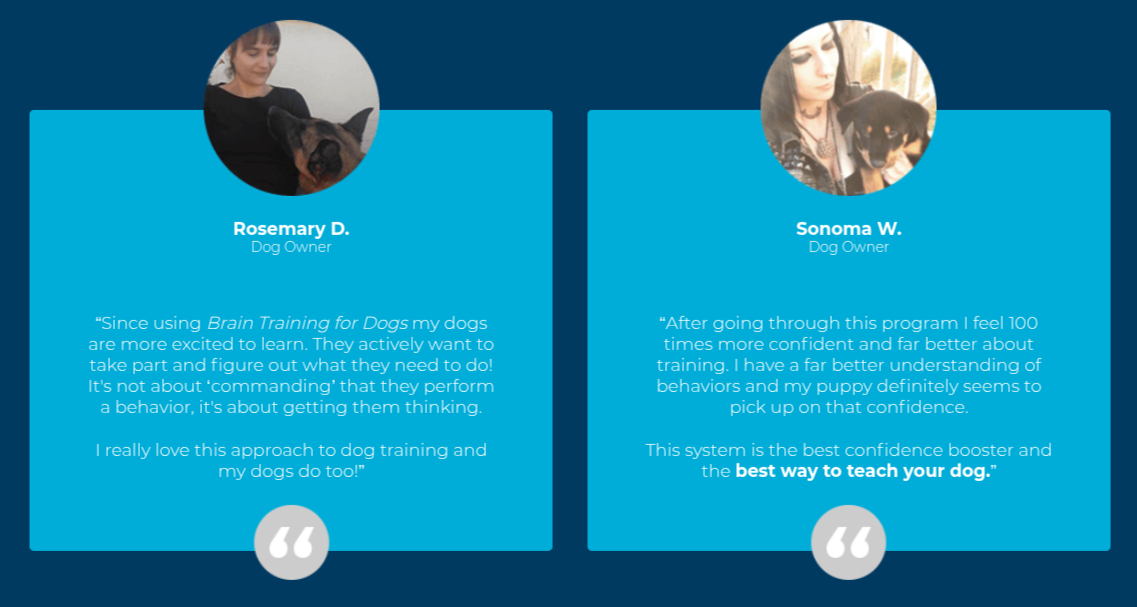
Dog owners frequently share their success stories after using Brain Training for Dogs. Many describe how their once unruly pets transformed into well-behaved companions. One owner recounted how her hyperactive rescue dog learned to focus and follow commands within weeks. The structured activities engaged both her dog’s mind and energy, resulting in a calmer household.
Another testimonial highlighted the bond formed between pet and owner during training sessions. One user mentioned that the interactive games not only improved obedience but also increased trust and communication with their furry friend.
People celebrate seeing significant improvements in behavior, from reduced barking to better leash manners. These anecdotes illustrate the program’s effectiveness beyond mere obedience; it fosters deeper connections between dogs and their humans through shared experiences.
Brain Training for Dogs vs Other Dog Training Programs
When evaluating Brain Training for Dogs against traditional training methods, a few key differences emerge. Many conventional programs rely heavily on obedience commands and corrections. In contrast, Brain Training focuses on mental stimulation and positive reinforcement.
This program encourages problem-solving through engaging activities and games. It nurtures your dog’s intelligence rather than merely enforcing discipline. Unlike typical classes that may only address behavioral issues, this approach fosters deeper connections between you and your pet.
Additionally, Brain Training is designed to be flexible. You can practice at home without the rigidity of scheduled classes or strict timelines. This convenience allows for personalized training sessions tailored to fit both your lifestyle and your dog’s unique needs.
While other programs might emphasize physical obedience drills, Brain Training offers a fresh perspective by challenging dogs mentally as well as physically, making it an appealing option for modern pet owners seeking holistic development for their furry friends.
Tips for Successful Brain Training with Your Dog
Consistency is key. Set aside dedicated time each day for training sessions. Short, focused bursts are often more effective than longer ones. Make it fun! Use treats or toys as rewards to keep your dog engaged and motivated. Positive reinforcement creates a joyful learning environment.
Be patient and adjust your expectations based on your dog’s individual pace. Every pup learns differently; some may grasp concepts quickly while others need more time. Incorporate brain games into daily routines. Puzzle toys, hide-and-seek, or scent work can all stimulate mental activity outside of formal training sessions.
Stay enthusiastic! Your energy will influence your dog’s willingness to participate and enjoy the process. Celebrate small victories together to strengthen your bond. Always end on a positive note with praise or playtime to create lasting memories that encourage future training efforts.
Pros and Cons of Brain Training for Dogs
Brain Training for Dogs offers several advantages. First, it strengthens the bond between you and your pet. Engaging in training exercises fosters communication and trust. Another benefit is mental stimulation. Dogs thrive on challenges, and brain training keeps their minds sharp.
This can lead to reduced boredom-related behaviors like barking or chewing. However, there are some downsides to consider. Not all dogs respond equally well to this type of training. Some might find the exercises too challenging or lose interest quickly.
Additionally, while it’s a great supplement, it shouldn’t replace basic obedience training. Owners should ensure they’re addressing fundamental commands alongside brain games. Patience is crucial throughout the process. Progress may take time depending on your dog’s personality and learning pace. It’s vital to remain consistent and positive for optimal results.
Where to Buy Brain Training for Dogs
If you’re ready to embark on the journey of brain training for your dog, finding the right place to purchase the program is essential. The official website offers a straightforward option, providing easy access to all materials directly from the source.
Purchasing through their site often includes bonuses and special deals that other retailers may not offer. It’s worth checking for any current promotions before buying. You can also find “Brain Training for Dogs” on popular platforms like Clickbank. This gives you added convenience if you’re accustomed to shopping there.
Additionally, reading customer reviews and ratings can provide valuable insights into what you can expect from the program. Whichever route you choose, ensure that it’s an authorized seller to guarantee authenticity and support. Better yet, visit their official website by clicking the button below.

Final Thoughts: Is Brain Training for Dogs Worth It?
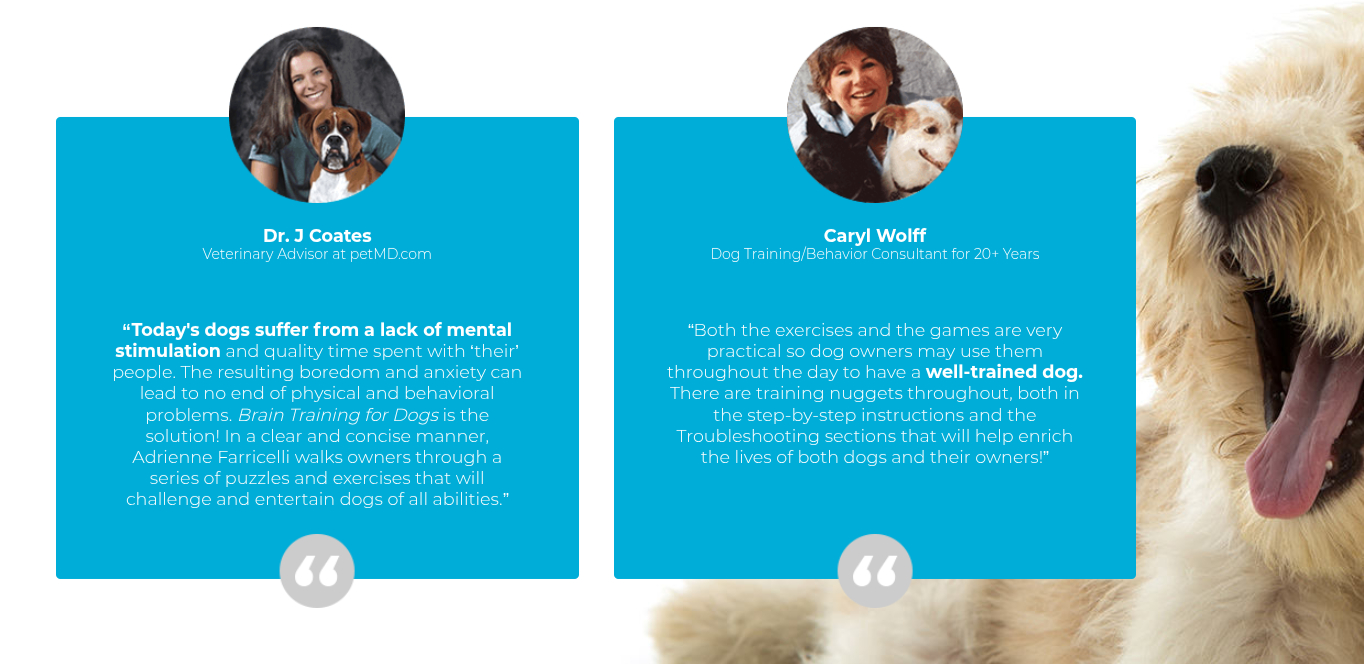
When considering Brain Training for Dogs, it’s essential to weigh its unique approach against traditional methods. This program prioritizes mental stimulation and problem-solving skills, fostering a deeper bond between you and your furry friend.
Many dog owners report noticeable improvements in their pets’ behavior after engaging with the training modules. The variety of games keeps both dogs and owners interested, which can lead to more consistent practice. However, like any training method, results may vary based on individual dogs.
Factors such as age or temperament can influence how well a dog responds to this type of brain exercise. Investing time in your dog’s cognitive training could yield lasting benefits beyond obedience—think enhanced focus and emotional resilience. It’s about nurturing a happier, healthier pet while enjoying the process together.
FAQs about Brain Training for Dogs
Brain Training for Dogs has gained significant attention among dog owners looking to enrich their pets’ mental capabilities. As you delve deeper into this training method, you may have some questions that need answers. Here are a few frequently asked questions regarding Brain Training for Dogs.
What is the main goal of Brain Training for Dogs?
The primary aim is to enhance your dog’s cognitive abilities through fun and engaging activities. By challenging their minds, dogs can develop better problem-solving skills and improve overall behavior.
How long does it take to see results?
Every dog learns at its own pace, but many owners report noticeable improvements within weeks of starting the program. Consistent practice leads to faster results.
Is brain training suitable for all dog breeds?
Yes! The techniques in this program are designed to accommodate various breeds and ages. Regardless of your dog’s background or temperament, they can benefit from mental stimulation.
Can I use these strategies alongside traditional obedience training?
Absolutely! Brain Training complements standard obedience methods well. It provides an additional layer of enrichment that helps solidify what your dog learns in basic commands.
Do I need special equipment or tools?
Most exercises require minimal tools—often just treats and toys you likely already have at home. This makes it accessible without needing hefty investments in gear or gadgets.
Are there any age restrictions when brain training my puppy?
You can begin introducing simple concepts as early as eight weeks old! However, ensure the tasks are appropriate for their developmental stage so they don’t become frustrated too quickly.
This comprehensive understanding should clarify any lingering doubts about adopting Brain Training for Dogs as part of your pet ownership journey. Engaging with these activities not only strengthens the bond between you and your furry friend but also sets them up for a brighter future filled with joy and learning.

P.S. Thanks for stopping by and visiting our website today. Please feel free to leave a comment below and share your thoughts with us on Brain Training for Dogs. Or go to our Contact Us page and leave a brief message. We’ll get back to you A.S.A.P. Thanks again!

2 thoughts on “Brain Training For Dogs Complete Review”
Leave a Reply

Related Posts

Real Food For Dogs Cookbook Review

Cat Spraying No More Review

I wish I had known about this program when my dog was a puppy. I have a very well-behaved dog now, but the process wasn’t always the most fun or easiest. This program seems like a great way to train your dog. I love the reviews and the tips for being successful with this. I also love that you link directly to the training so I don’t have to go searching for it. Even though my pup is a little bit older and pretty well trained, I will use this training to stimulate her mind. There is always more to learn. Thank you.
Hi Christine,
Thanks for stopping by and sharing your thoughts on Brain Training for Dogs. I can personally vouch for this product because I used it to train my Plott hound Maggie. In case you don’t know what a Plott hound is, I’ll briefly explain. The Plott hound is the state dog for North Carolina.
The Plott family settled here in western North Carolina and brought their hunting dogs with them from Germany. They were bred to hunt bear. They are intelligent, loyal, alert and bold with lots of energy. I found her running in the woods when she was a puppy. She’s a sweetheart of a dog but stubborn as well.
That’s when Brain Training for Dogs saved the day. I’ve owned many dogs over the years and not a dog trainer. I always managed to raise obedient dogs anyways. But Maggie was different, so I went through the course and learned so much more than I ever knew about dogs.
Now Maggie is a well trained sweetheart even though she still possesses the same traits that are famous with her breed. This course will work with older dogs as well. So go ahead and try the course. You’ll be amazed by what you’ll learn and how easy it is to implement. Please come back and share your success with us.
Best wishes Christine,